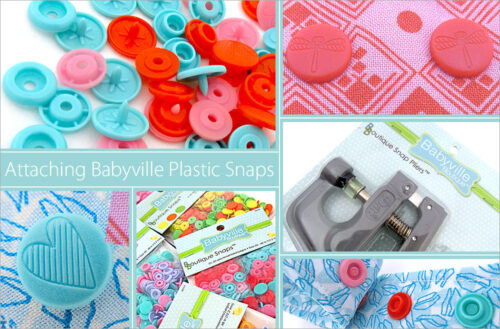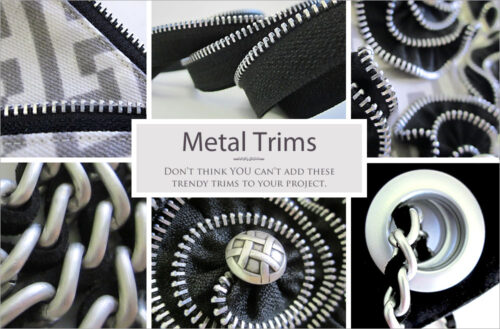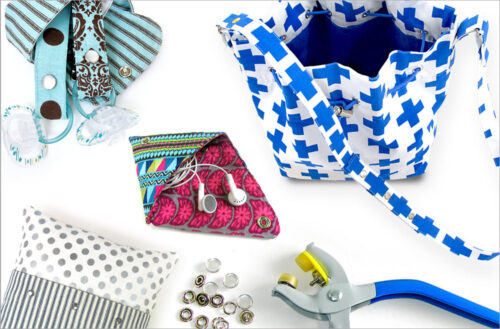
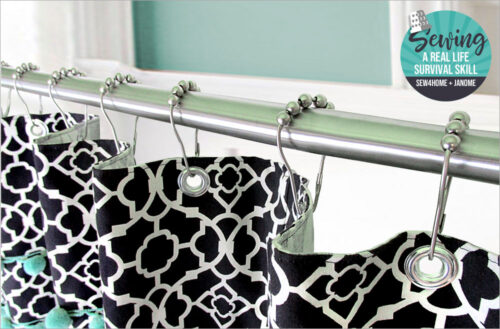
From getting the spacing right, to cutting holes in the fabric, to the actual installation process, we’re here to prove you can conquer this hardware at home and get a professional result. Plus you get to hit stuff with a hammer!
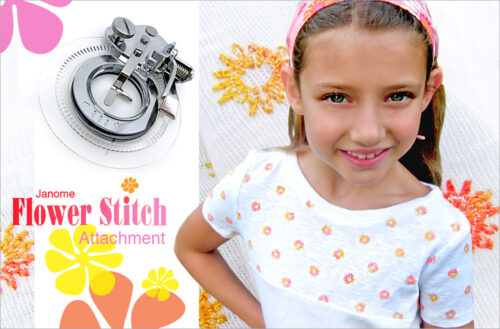
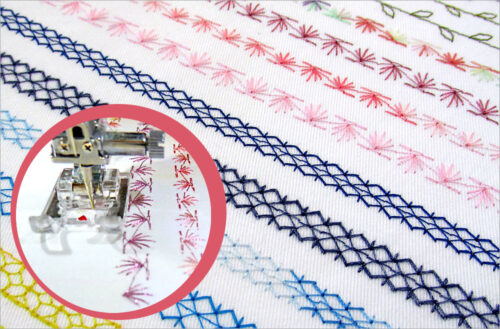
For more basic Janome sewing machines (5mm and 7mm), this a fun, easy way to add little decorative stitch touches in pretty thread colors! Be the flower girl of the sewing accessory world, sprinkling pretty posies over any project.
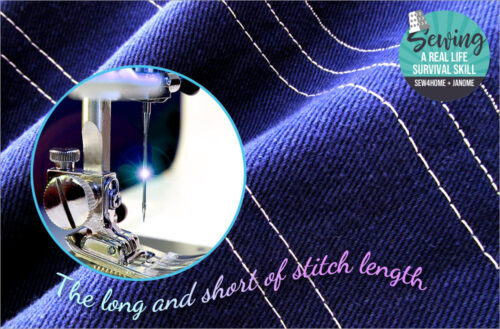
Today’s machines can zip along at up to 1000 stitches per minute; you can see how a little length goes a long way. The shorter the stitches, the tighter the seam. The longer the stitches, the looser the seam.
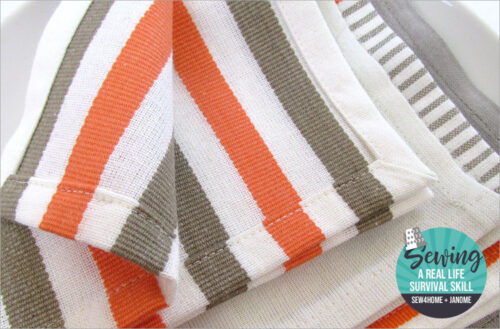
Making a narrow hem with a clean corner can be a challenge. Our go-to option, the one that earns our Sewing ToolBox Stamp of Approval, is a double-turn with a folded diagonal point corner: easy, tidy, and pretty from both sides.
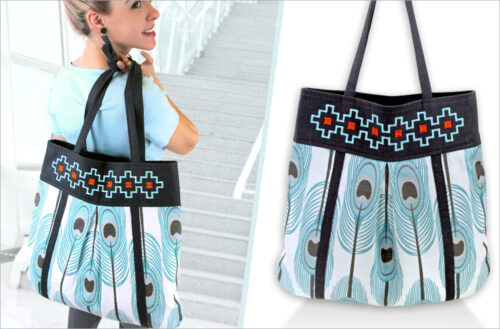
Generous in size and style thanks to a perfect combination of bold fabric and striking embroidery. Use our free machine embroidery design download or the free printable template for hand embroidery.
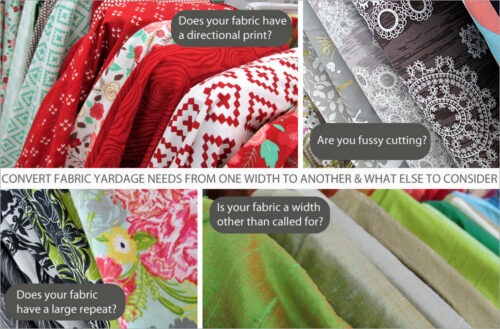
A true Sewing Survival Skill! The word fussy sounds negative. But in the world of sewing, a fussy cut is a beautiful thing. It means cutting in a way that precisely captures a specific section of fabric for a specific purpose.
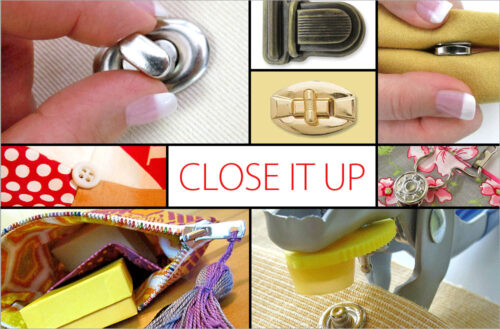
We’ve pulled together our top ten articles that show a variety of ways you can keep things closed. Locks, snaps, zips, buttons, and more. If you need closure, we have some great ideas. Let us know which are your favorites.
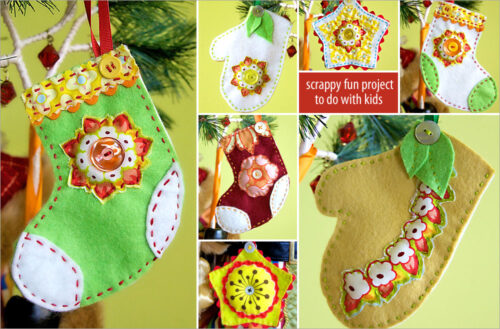
Gather up your favorite bits of fabric and trim, leftover buttons or beads, and sheets of craft felt. Then get ready to fire up your imagination for some ornament fun. A fantastic project to introduce kids to hand sewing.
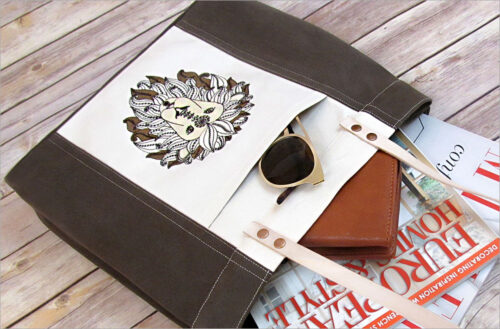
Neutral tones of canvas and a simple mini-tote style combine into the perfect backdrop for our stunning Lion’s Head machine embroidery design. We offer a free download in six popular file formats.
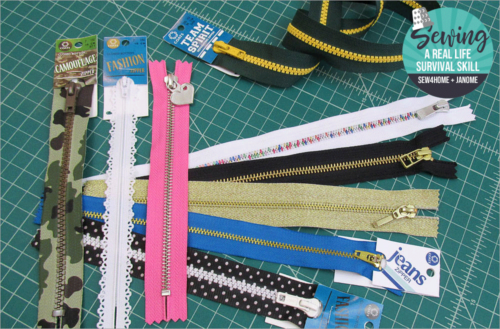
We love the look and functionality of zippers. But many of us are not crazy about installing them. To get good, you gotta jump in. Let’s start with a conventional zipper, where the fabric meets along the center of the zipper teeth.
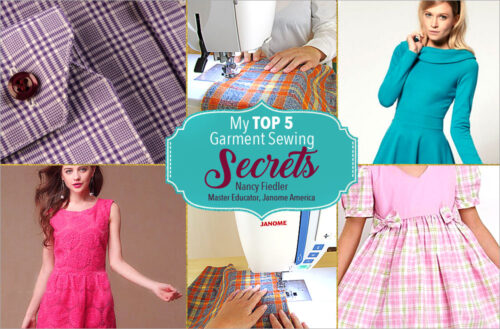
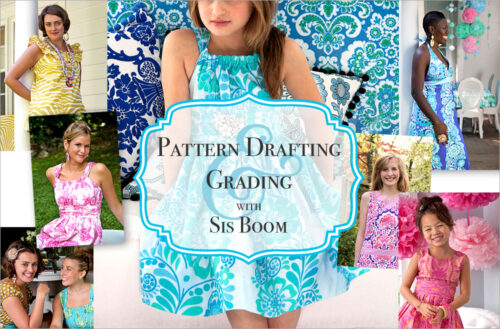
Garment sewing is not necessarily one of our focuses here at S4H, so we turned to expert, Carla Crim for some pattern-making secrets. We found her techniques fascinating, and it certainly inspired us to give it a try.
These days, when young adults seem to be devoted nearly full-time to social media, it’s easy to think none of them could possibly be interested in something so archaic as sewing. But, while you weren’t looking, sewing became cool.
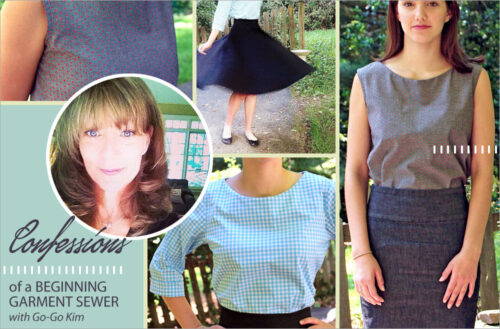
A quilter extraordinaire, our friend Kim Niedzwiecki (aka Go-Go Kim) recently entered the world of garment sewing. She’s alive to tell the tale, and offers up her experiences, pearls of wisdom, and encouragement for you to do the same.
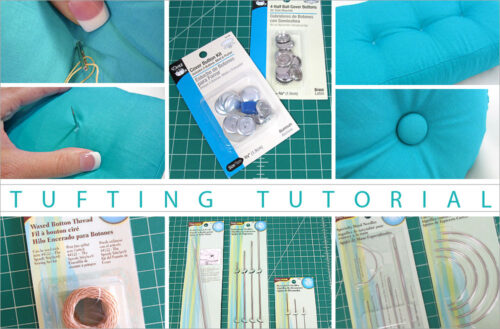
Tufting are those depressions made at regular intervals in a cushion by passing a thread through and pulling it taut. Simple, right? It can be. Start with the right tools and make sure you measure and mark with precision.
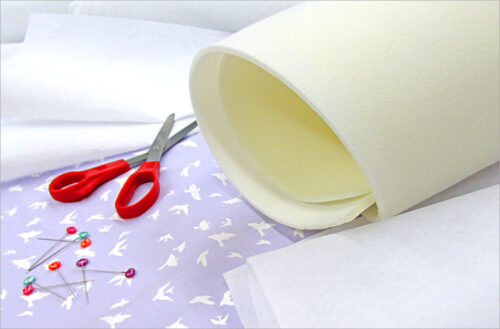
Thermal fabrics are the added layer in projects designed to keep hot stuff hot and cold stuff cold, such as oven mitts, lunch bags, shopping totes, etc. We take a look at options for thermal batting, fabric, and interfacing.
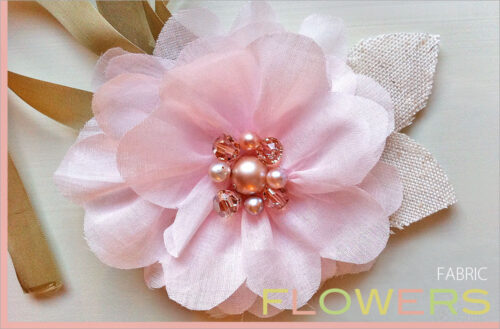
Fresh blooms from your favorite flowers are always an inspiration. Celebrate by creating your own custom flower to wear on a jacket, in your hair, or pinned to a bag. Go bold and showy or soft and subtle – just like nature itself.
If you want a flat, stable base, an inset base panel is the go-to option. It’s easy, but you do need to carefully measure and mark, then sew each side independently during construction. Follow our steps to achieve an expert finish.
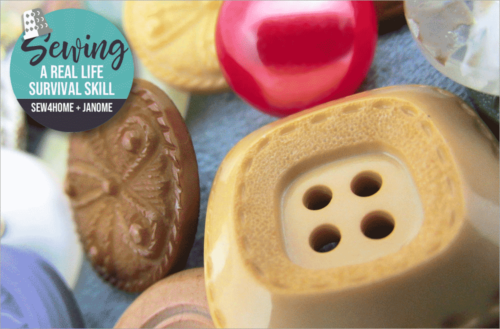
Picking out buttons is fun! Sewing on buttons, not quite so fun. The up-side of button sewing is that it’s relatively quick and easy, and by following our tutorial basics, yours will stay put stronger and longer.
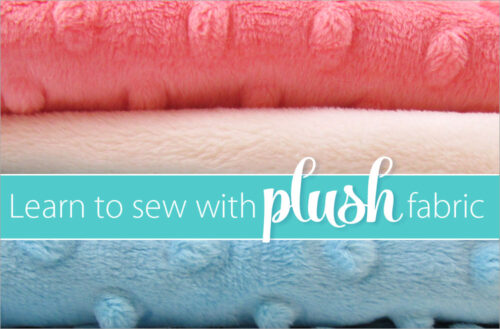
It gives a fabulous softness to a wide variety of projects, from toys to pillows to blankets and more. Although not difficult to sew with, to create the very best results, it helps to have a few tips and tricks under your belt.
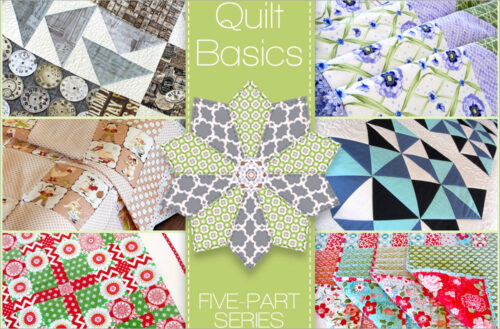
We explain the fundamentals of quilting, including the tools you’ll need, cutting techniques, how to create blocks from basic shapes, piecing tips and techniques, and stitching. Enter at your own risk; quilting can be addictive.
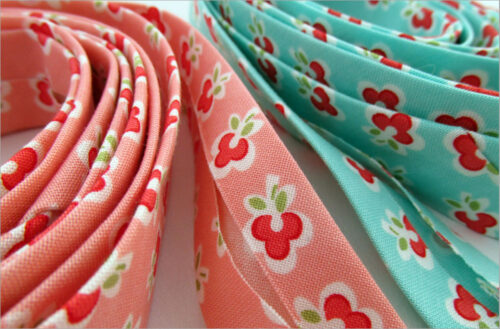
It’s a little bit like the ancient art of origami. You start out with a flat square (or rectangle), and after a few folds, flips, and slices, you have perfect bias strips ready to become custom binding for your next project.
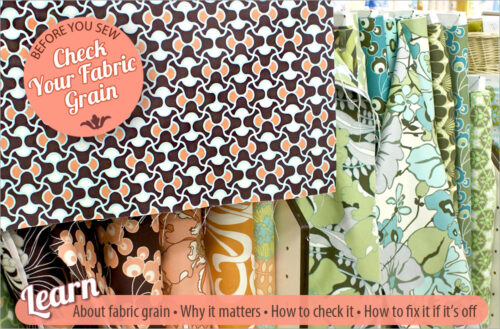
How fabric is woven is important; fabric that is off-grain when you’re cutting can cause the completed project to stretch out of shape. Get a better understanding of how to identify fabric grain and tips on how to straighten it.
So many choices! This article helps you sort out the most common interfacing options for bags and totes. You’ll like the printable chart we developed. Post one copy in your sewing room and use another when you shop.
Outdoor jackets, yacht covers, baby clothes – the humble snap does it all. They’re easier to use than buttons and more durable than Velcro®. Find out the best tools to use and tips to follow to make inserting snaps… a snap!
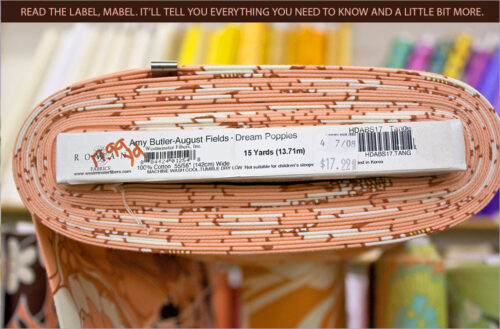
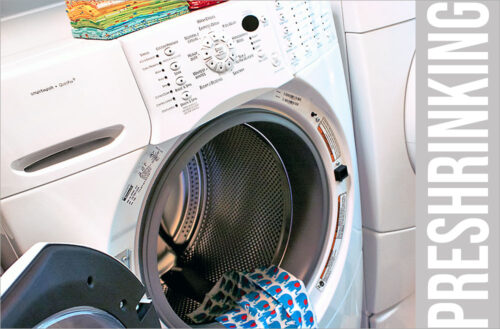
A big part of sewing is knowing your fabric. A big part of knowing fabric is understanding how to care for it. Protect your project and fabric investment. Learn when to preshrink fabrics, what products to use, and more.
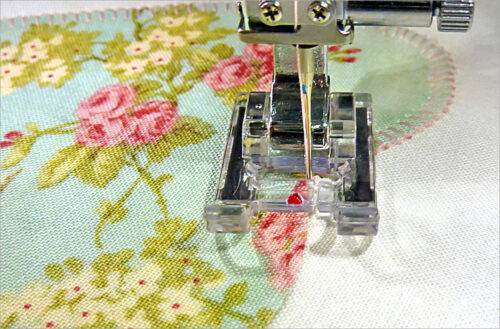
If you can imagine it, chances are you can appliqué it! With appliqué, you’re free to incorporate almost any kind of graphic into your project. Learn our favorite tips and techniques for finding designs, cutting, applying, and stitching.
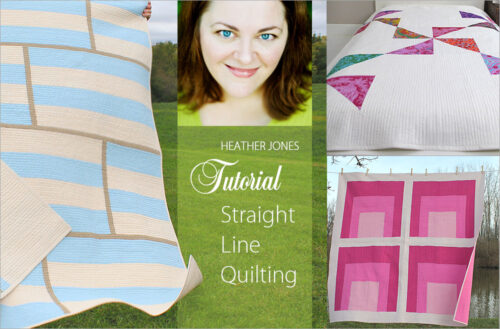
We love the quilting art of superstar, Heather Jones. A while back, she was kind enough to give us her favorite tips on straight line quilting. It provides a clean, modern feeling to a design, and is especially cool when densely stitched.
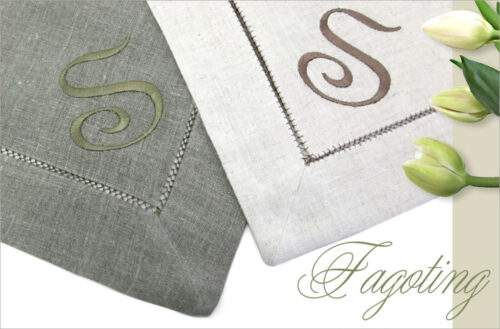
Explore heirloom stitching by machine. We show two options: hemstitching (if you are brand new) and fagoting (if you’re more advanced). Both offer beautiful borders with mitered corners and an optional monogram.
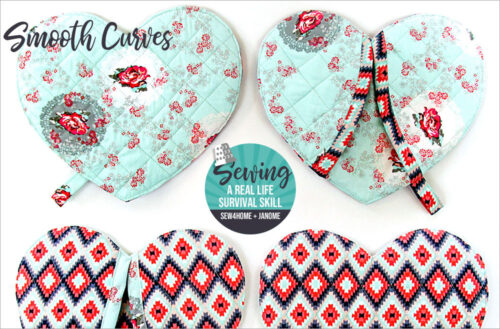
There are two major curves you encounter in sewing: inward or concave and outward or convex. Learn the keys to a smooth result with both: an accurate seam allowance, proper clipping, and careful pressing.
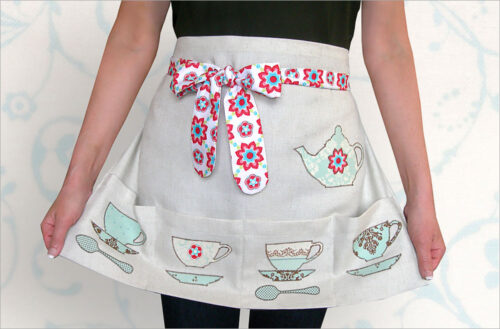
Elegant appliqué accents of a teapot, teacups and saucers, and teaspoons grace the skirt and pocket of our pretty half apron. Get instructions and all the tea time templates. So fun to do, you’ll want to make tea for two!
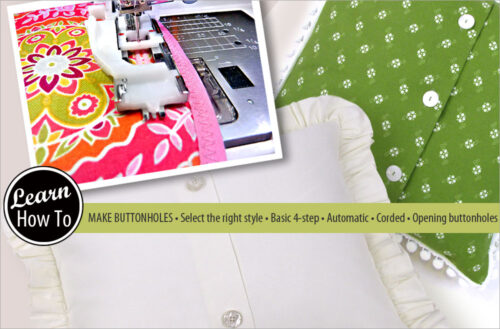
Buttonholes. For many of us, beads of sweat start to form at the mention of the word. “Am I about to ruin everything by botching the buttonholes?” Nope! They’re really not hard once you break it down into individual steps.