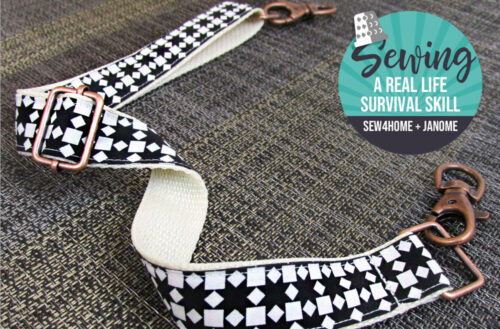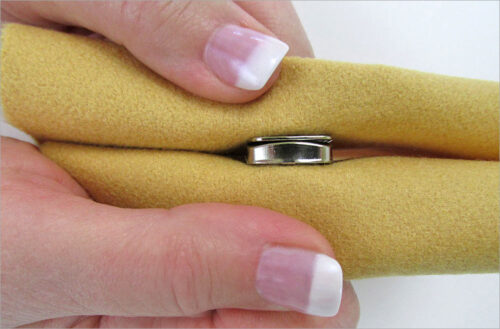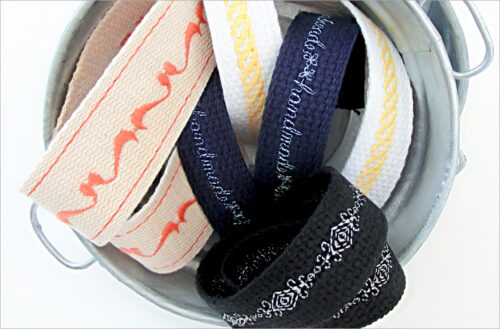
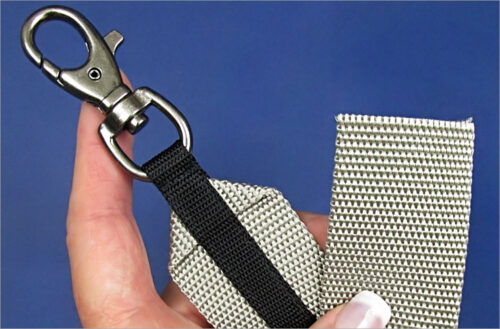
Sometimes the perfect webbing or strapping you’ve selected for a project is simply too darn wide for the D-ring or Swivel Hook you really want/need to use. Try this quick trick to bring your wide webbing down to size.
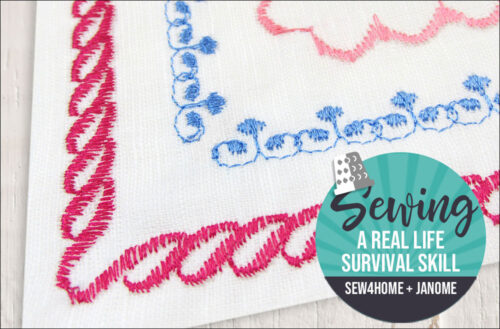
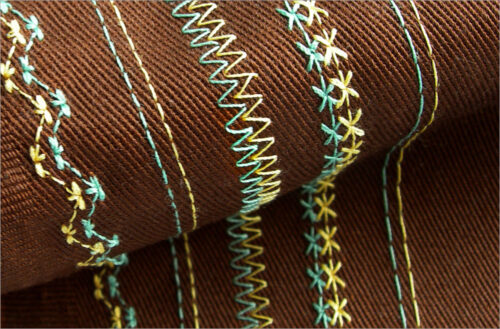
Ah – decorative stitching… as long as you’re going straight, all is well. Then the corner approaches. If making a turn with a decorative stitch has you puzzled, we’re here to help with several ways to make a turn for the better.
Making adjustable straps can seem like a magic rope trick with all the threading this way and that. But, it’s really quite easy and makes the strap much more flexible. Lengthen to wear crossbody, shorten for a shoulder strap.

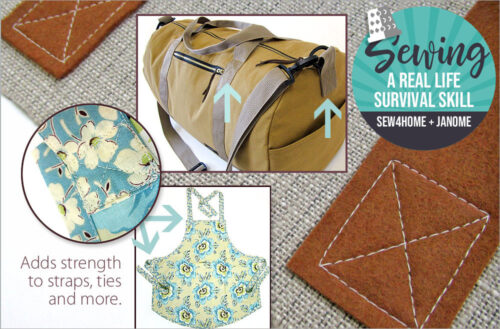
It’s a classic way to secure all types of straps and narrow panels: a stitched box with an “X” through the middle. The pattern provides strength and stability, and when done with precision, also adds a pretty detail.
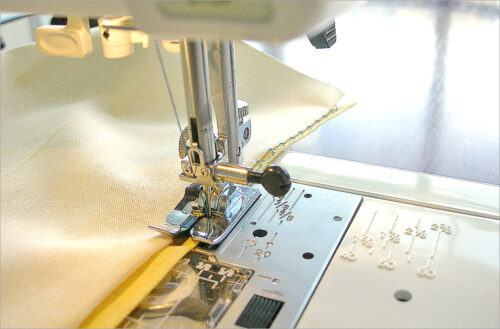
A blind hem is exactly what it sounds like: a machine-done hem with stitches you can barely see. It’s perfect anywhere you want a clean finished edge. Good news: the specialty Blind Hem presser foot is standard on most machines.
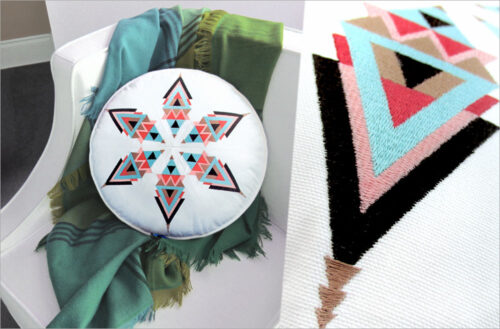
This beautiful custom embroidery design is offered as a free download in six major embroidery machine formats. The ascending and descending triangles of the design simulate a rosy sunrise reflected in a cool mountain lake.
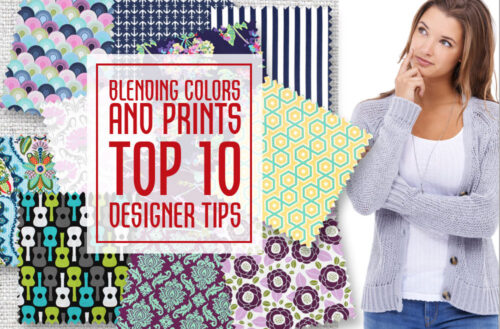
Mastering the proper mixology of color and motif is something designers spend years perfecting. But there are basics everyone can use to create a fabulous look. We’ve collected our Top 10 Designer Tips to get you started.
Double the precision in half the time. A twin needle is basically two needles attached to a single shank. One is slightly shorter than the other so your bobbin can catch the thread from both needles. So clever that bobbin!
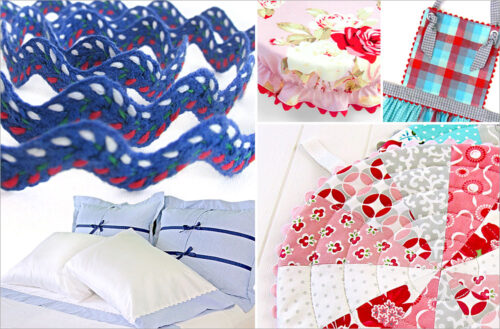
Rick rack has been at the top of the trim list for nearly 200 years. From elegant lace gowns to prairie pinafores, it’s a trim that’s weathered the test of time, and we have the best tips for adding it to today’s projects.
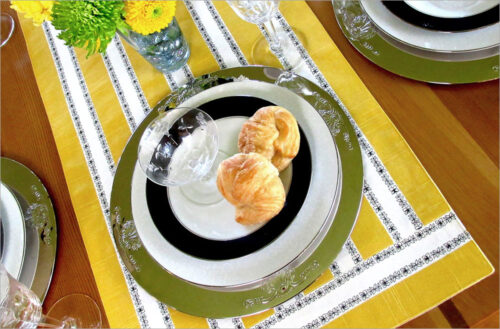
Start with a simple yet bold fabric, add some distinctive decorative stitching, and you can have a stunning table runner perfect for any holiday gathering or special occasion. Remember, “Life is short; use the good china!”
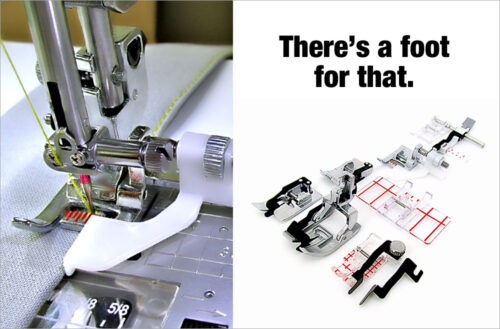
A straight line seems like the most basic sewing technique. But we’re amazed by the number of comments and questions we get about how to do it better, easier, and more consistently. Using the right foot for the job is the real secret.
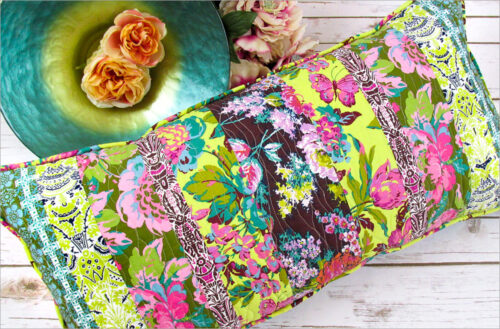
Dive into your stash to find some favorite smaller pieces. This lumbar style pillow uses multiple skinny cuts to create pretty strip patchwork. Wavy line free-motion quilting finishes the front.
When you want a pocket’s motif to precisely blend with the panel on which it sits, all you need is a little extra fabric, some tissue paper, and those tracing skills you learned back in kindergarten. We show you the step-by-step process.
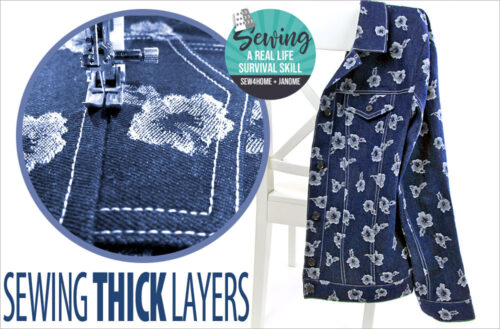
Layer upon layer upon layer?! With the right presser feet and accessories, an understanding of seam grading, and the patience to go slowly and carefully, you can sew like a pro through thick and thin.
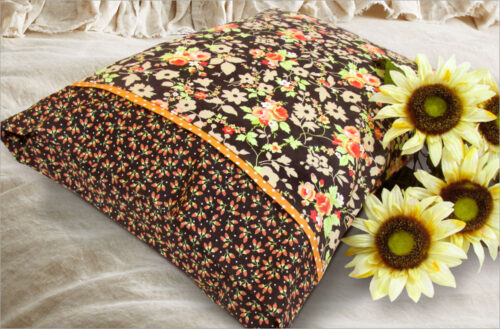
Keep a stark white pillow from showing along the end of a pretty pillowcase. This envelope style closure also helps keep the pillow from slipping out of an open end. Make it stay – and hide it away! The steps are fast and easy.
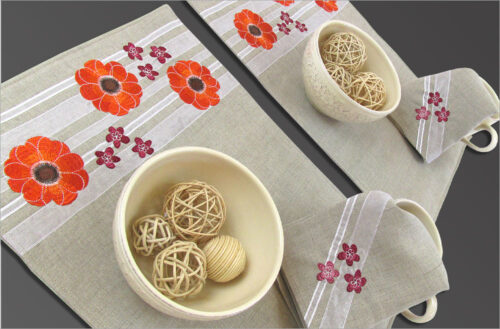
We chose the Janome embroidery-only 550E machine to help create this beautiful set of embroidered placemats and napkins, selecting two built-in florals and stitching them against a shear ribbon lattice on a 100% linen background.
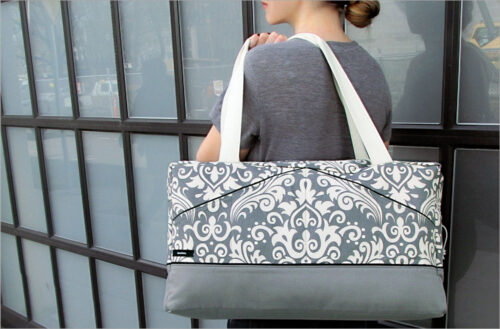
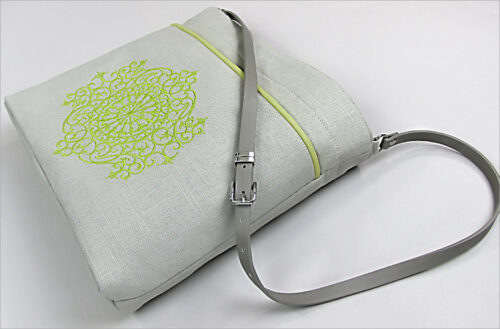
A purchased skinny belt becomes the strap on this unique shoulder bag, and a large, monochromatic embroidered medallion adorns the front pocket as well as the lining pocket, creating a secret pop of pretty on the inside.
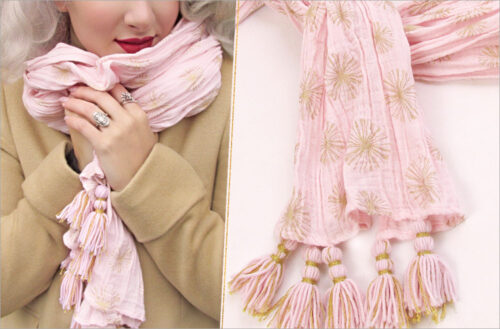
Learn contortion pleating, which involves twisting the gauze into a bound bundle then drying it in a conventional dryer or a microwave prior to final air drying. Learn to crinkle, then learn to make this gorgeous tasseled scarf.
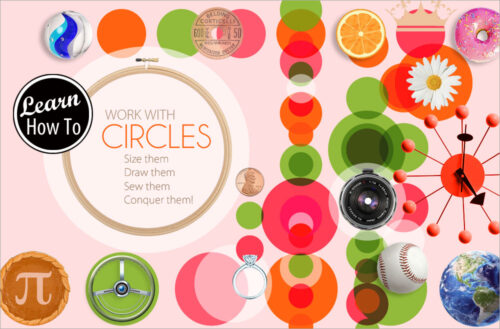
We’re here help with the steps you’ve forgotten since high school geometry: parts of a circle, how wide to cut fabric to fit a circle, how to draw a circle without a pattern, and how to convert decimals to inches to work with Pi.
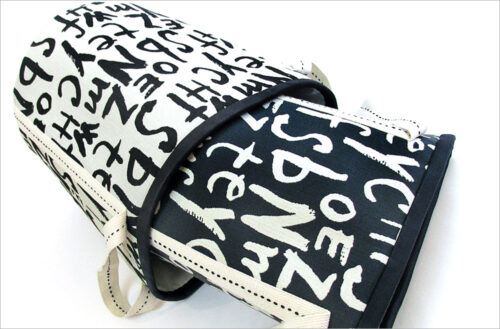
If the idea of sewing a 2D item (a flat circle) into a 3D item (a tube) sounds like something from another dimension altogether, read on. We break it down into a simple step-by-step process and even show you two different methods.
Magnetic snaps are indispensable to the construction of bags and more. The secrets to success are: having the time and patience to work in the correct order, and using extra precision in marking and measuring.
Remember making paper snowflakes as a kid? You fold, fold, fold, then cut, cut, cut. This fabric cutting technique is the same basic concept, but without the Swiss cheese effect. Grab your rotary cutter and mat, and let’s slice!
Gathers can be tight and frilly or loose and billowy. No matter how you use them, they’re a great embellishment that has been a favorite for centuries. Learn our favorite tips, techniques, and tools to make the process fast and easy.
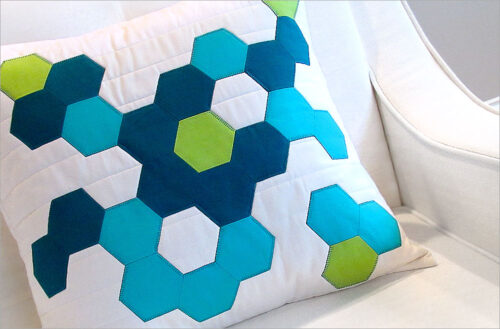
English paper piecing is handwork not machine stitching. Most people associate it with beautifully intricate quilt tops, but the precise, perfectly shaped pieces are just as wonderful on our pair of graphic decorator pillows.
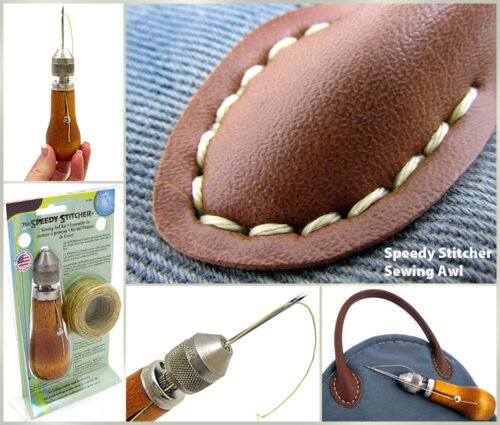
We love this unique hand stitching tool. Our step-by-step tutorial shows how it can quickly attach one item to another as well as create an interesting line of stitching as a decorative accent. Great for bag handles!
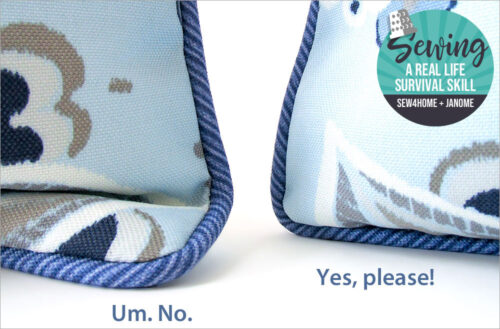
It might seem like a geometric rule-breaker, but one way to keep a square pillow square is tapering the corners rather than sticking with a classic 90˚ angle. Use this quick pro tip to learn how a slight curve can create a better square.
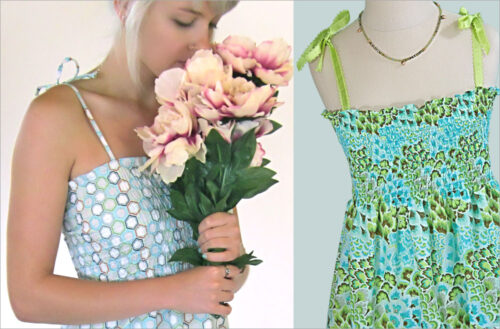
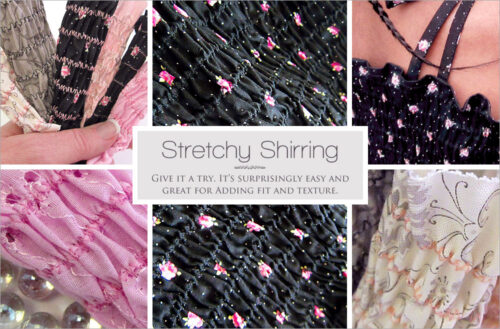
Elastic shirring creates a wonderful stretchy texture. It occupies the space between the simplicity of gathering and the intricacy of hand-smocking. We cover the technique itself as well as several free project ideas.
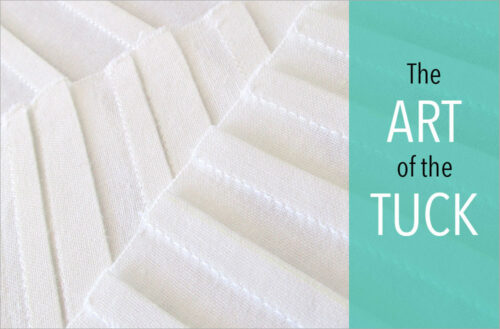
Narrow tucks, called pintucks when they are super narrow, are often used in heirloom sewing, but they can add a lovely detail to many projects. Did you know you can create the look quickly and easily with your Quarter Inch foot?
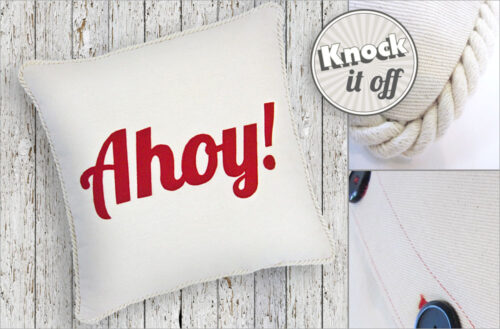
A “Word Pillow” makes a bright, bold statement to add to your pillowscape. We include the appliqué template for “Ahoy,” but this time of year, you could build your own to suit the situation. How about: Dad, Grad, Smile or Hug?!
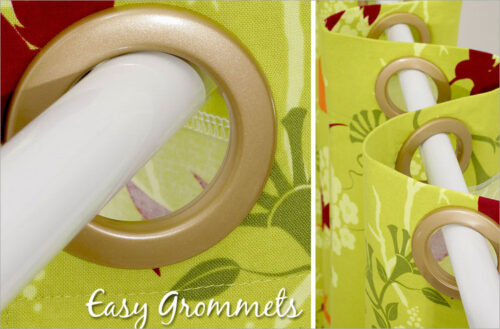
Large, snap-on plastic grommets are traditionally associated with curtains, but they are a great solution for a variety of projects. Dritz makes the best, and we outline how quick and easy they are to install.
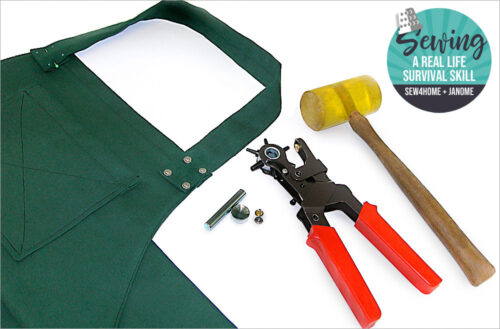
Rivets can hold thick layers together at points where it would be impossible to stitch with a machine. They’re the tough guys of sewing, but are actually quite easy to apply with the right tools and tips.
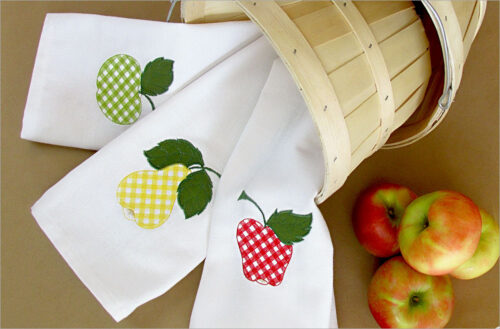
Our free gingham fruit embroidery + appliqué designs were custom-digitized for extra-fine 80wt thread. The stitch work is so delicate + precise, you’ll do a double-take when you realize it’s thread, not actual gingham fabric.
It’s a sewing technique everyone should have in their arsenal. The boxed corner creates space in something that would otherwise be flat. We show you the two most common methods and how to measure.
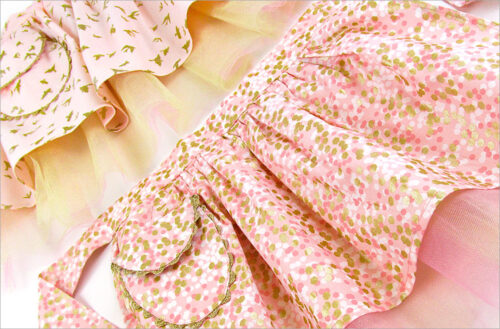
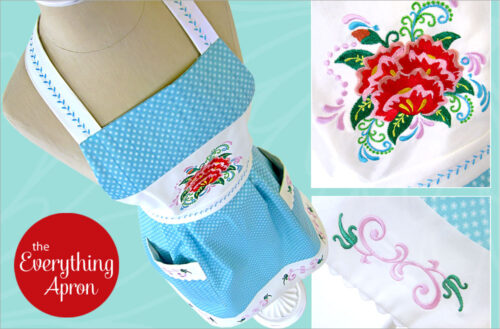
One unique apron pulls together three embellishment techniques: embroidery, decorative stitching, and quilting. We also added form-flattering pleats underneath the waistband and darts in the lower bodice.
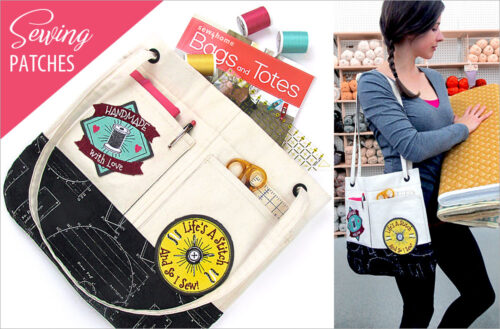
If you’re sewin’ and you know it… clap your hands. Honor your favorite hobby with our fun machine embroidery patches. Free downloads are included in 6 popular formats. We used Sulky 30wt cotton for a perfect matte finish.